
Mastering the Art of Modern Interior Design Principles
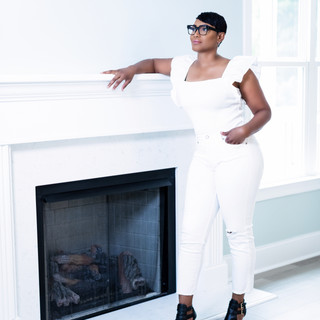
When I first stepped into the world of interior design, I was captivated by the elegance and simplicity that modern design principles bring to a space. It’s a style that balances form and function, creating environments that are not only beautiful but also practical. Whether you’re refreshing your home or redesigning a commercial space, understanding these principles can transform your vision into reality. Today, I want to share insights and tips that will help you master the art of modern interior design, making your space both inviting and stylish.
Embracing Modern Design Principles for a Timeless Look
Modern design principles focus on clean lines, open spaces, and a neutral color palette accented with bold touches. The goal is to create a harmonious environment where every element serves a purpose. Here are some key principles I always keep in mind:
Simplicity: Avoid clutter and unnecessary decoration. Each piece should have a reason to be there.
Functionality: Furniture and decor should be comfortable and useful.
Natural Light: Maximize natural light to make spaces feel airy and open.
Neutral Colors: Use whites, grays, and earth tones as a base, then add pops of color through accessories.
Texture and Contrast: Mix materials like wood, metal, and glass to add depth and interest.
For example, in a living room, I might choose a sleek leather sofa paired with a wooden coffee table and a metal floor lamp. This combination respects the modern ethos while adding warmth and character.

How to Choose the Right Furniture and Layout
Selecting furniture for a modern space is about balance. You want pieces that are streamlined but comfortable. Here’s how I approach it:
Prioritize Quality Over Quantity: Invest in fewer, better pieces that will last.
Opt for Clean Lines: Avoid overly ornate furniture. Think smooth surfaces and geometric shapes.
Consider Scale and Proportion: Furniture should fit the room size without overwhelming it.
Create Flow: Arrange furniture to encourage easy movement and conversation.
For instance, in a dining area, a rectangular table with simple chairs can create a welcoming atmosphere without feeling crowded. Adding a statement light fixture above the table can elevate the space without cluttering it.
What is the 60/40 Rule in Interior Design?
One of the most helpful guidelines I use is the 60/40 rule. It’s a simple way to balance colors and materials in a room:
60% Dominant Color: This is usually a neutral shade that covers walls, floors, or large furniture pieces.
40% Secondary Color: This includes accent furniture, rugs, or curtains.
10% Accent Color: A small pop of a bold color in accessories like pillows, artwork, or vases.
Applying this rule ensures your space feels cohesive and visually appealing without being overwhelming. For example, a room with 60% soft gray walls, 40% navy blue furniture, and 10% mustard yellow accents can feel both modern and inviting.
Incorporating Technology and Sustainability in Design
Modern interior design is not just about aesthetics; it’s also about embracing innovation and responsibility. Smart home technology can enhance comfort and efficiency. Here are some ideas I recommend:
Smart Lighting: Use dimmable LED lights controlled by apps or voice commands.
Energy-Efficient Appliances: Choose appliances that reduce energy consumption.
Sustainable Materials: Opt for eco-friendly materials like bamboo flooring or recycled glass countertops.
These choices not only reduce your environmental footprint but also add a layer of convenience and sophistication to your space.

Personalizing Your Space with Art and Accessories
No modern design is complete without personal touches. Art and accessories bring warmth and personality to a room. Here’s how I suggest you approach this:
Choose Statement Pieces: One or two large artworks can anchor a room.
Mix Textures: Throw pillows, rugs, and curtains in different fabrics add comfort.
Use Plants: Greenery brings life and freshness to any space.
Keep It Balanced: Avoid overcrowding surfaces with too many items.
Remember, the goal is to reflect your unique style while maintaining the clean, uncluttered feel of modern design.
Bringing It All Together with Professional Guidance
Mastering modern interior design is a rewarding journey, but it can also be complex. That’s why working with a professional can make all the difference. A skilled designer understands how to blend your tastes with modern design principles to create a space that feels both functional and beautiful.
If you’re in the Triangle area, firms like Tranquil Designs, LLC. specialize in transforming homes and businesses into stunning environments that truly reflect their clients’ needs. Their expertise ensures every detail is thoughtfully considered, from layout to lighting to finishing touches.
By embracing these principles and seeking expert advice when needed, you can create a space that not only looks amazing but also feels like home.
I hope these insights inspire you to explore the possibilities of modern interior design. Remember, it’s about creating spaces that work for you, combining style with comfort and practicality. With a little planning and creativity, your space can become a true reflection of your personality and lifestyle.


Comments